

















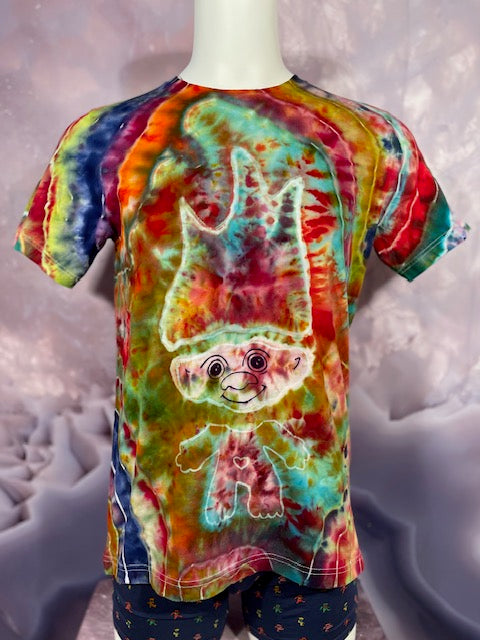


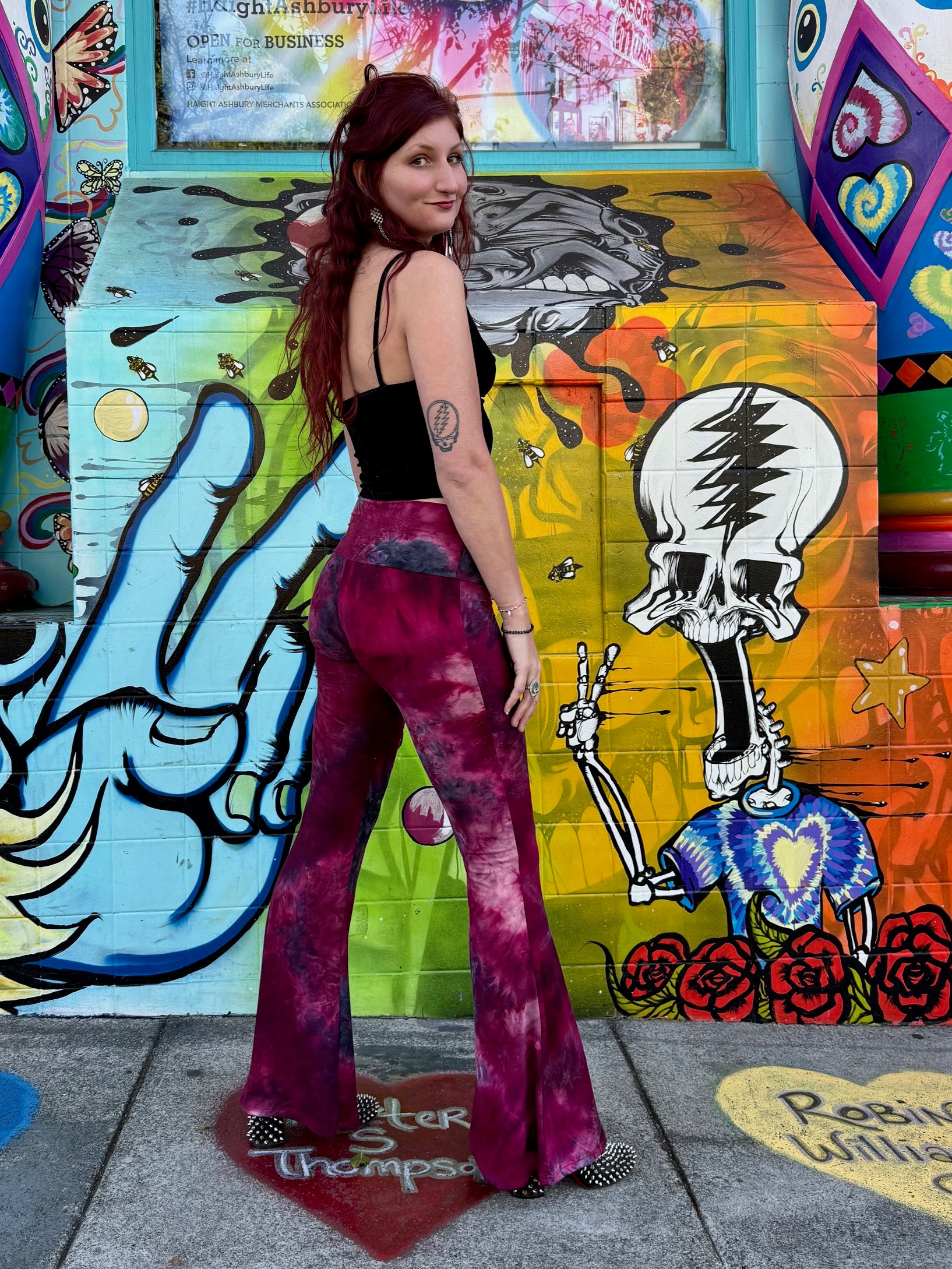


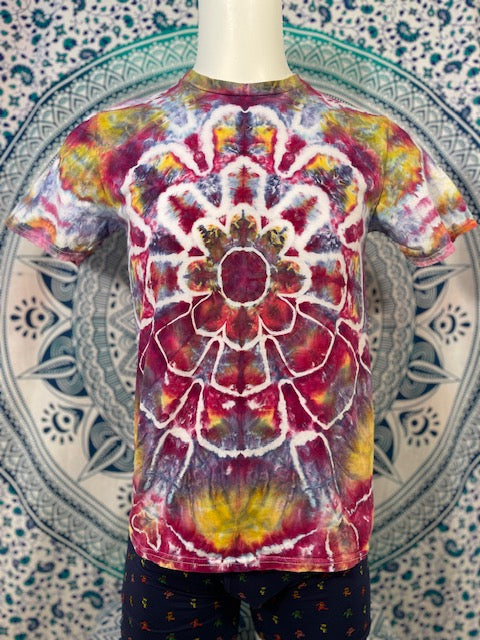


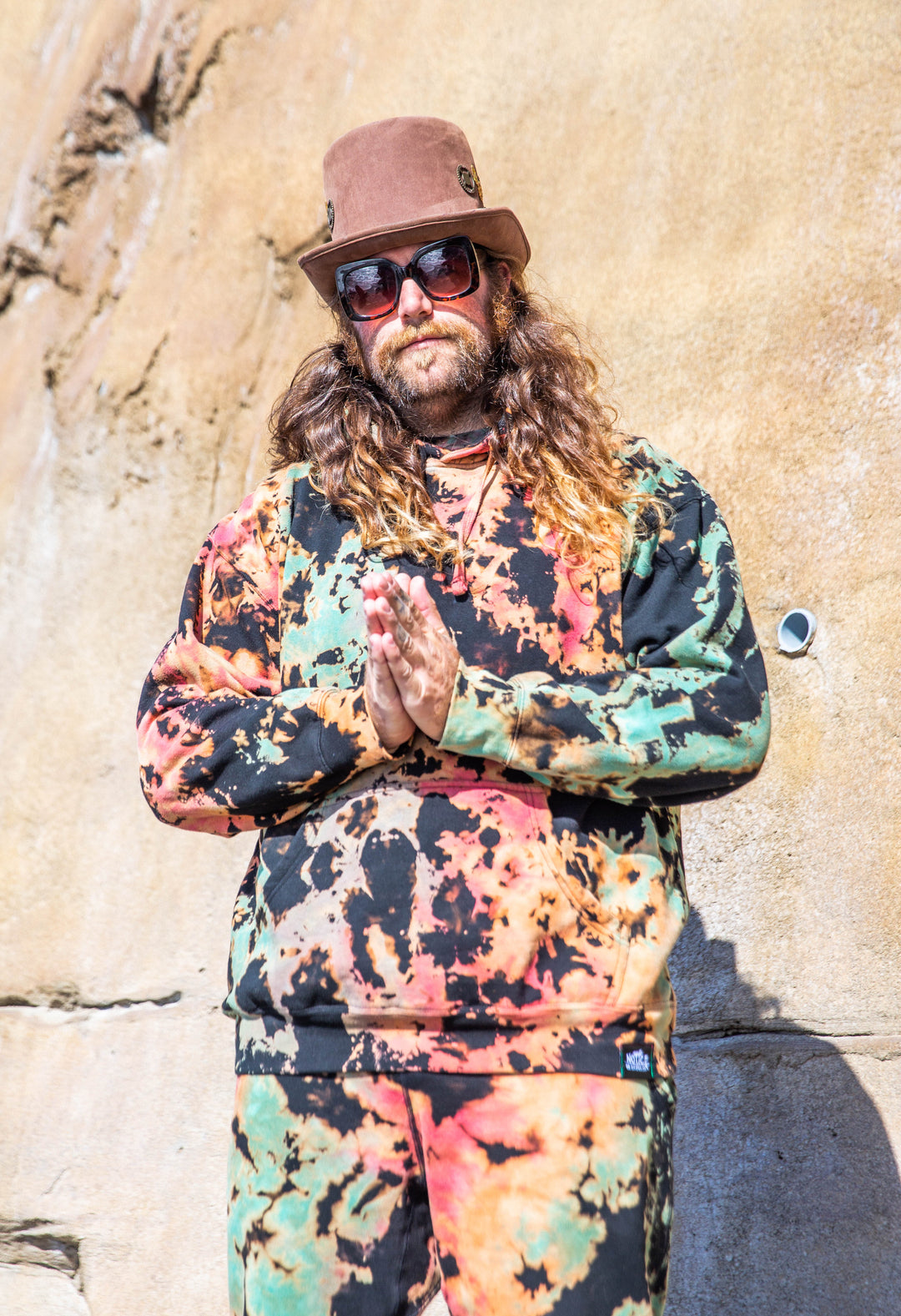


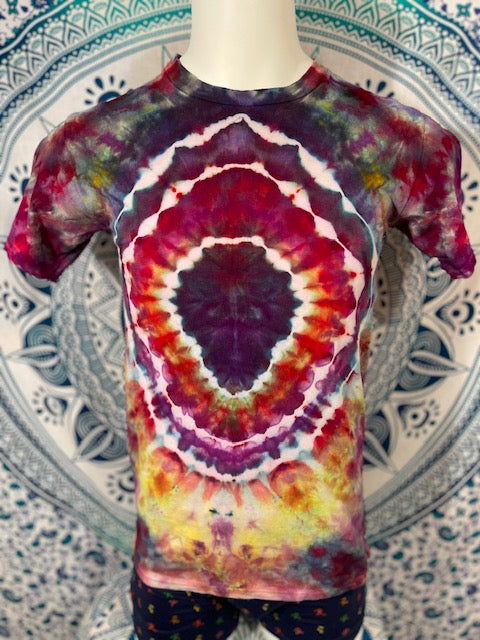

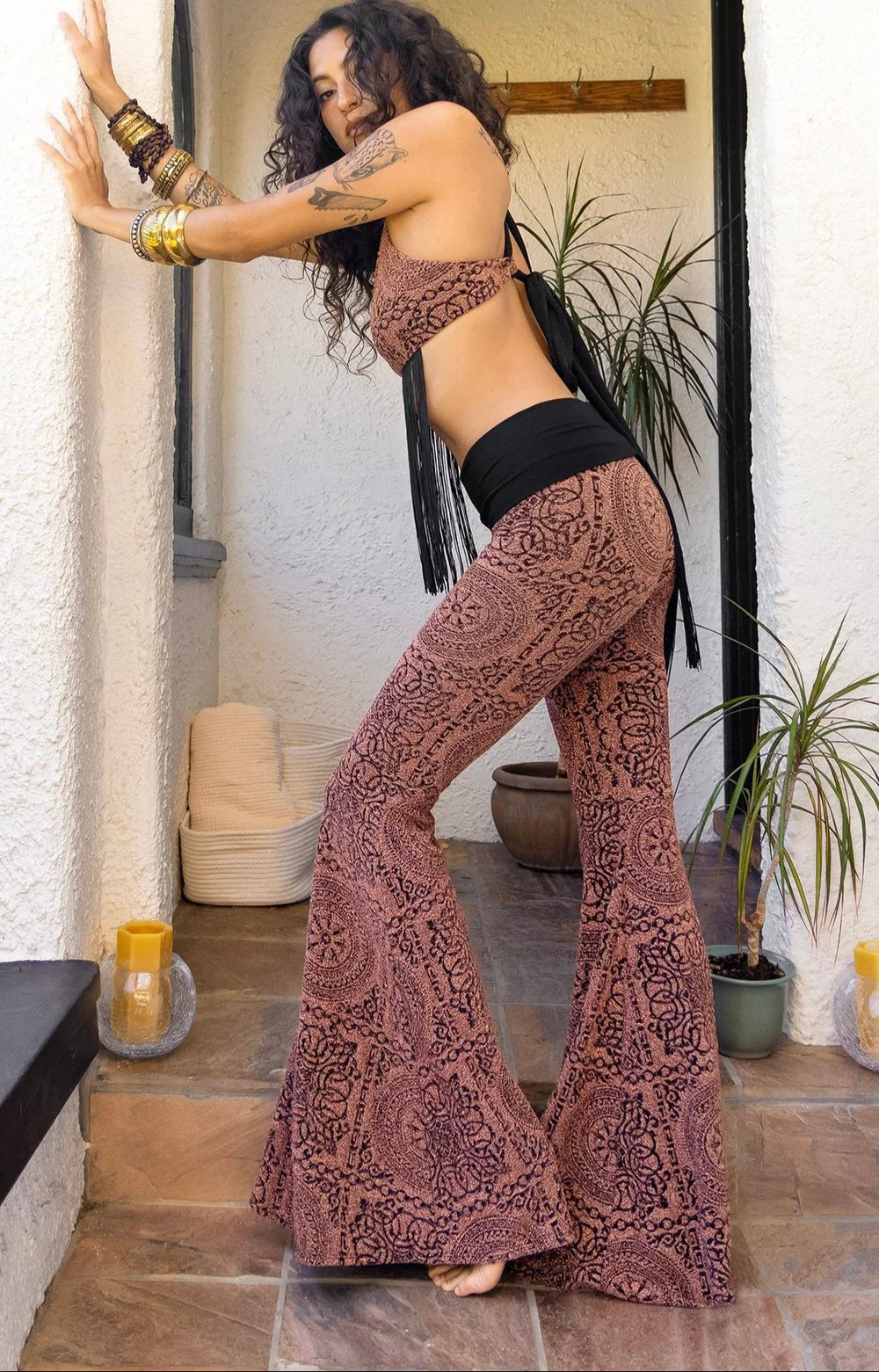


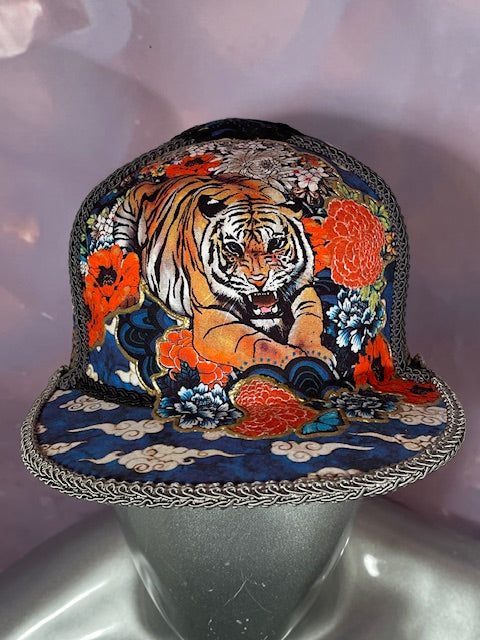


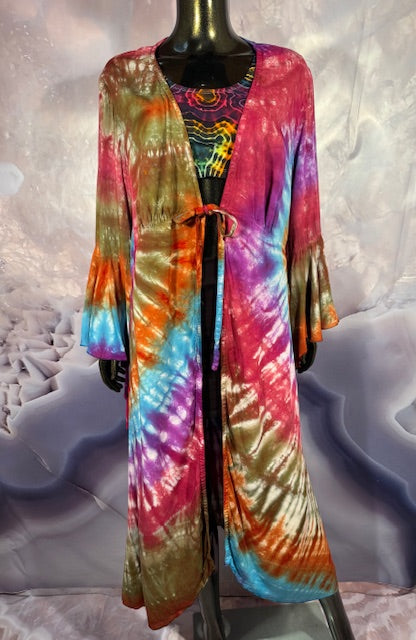


People come to Haight-Ashbury from all over the world looking for hippie clothes. A lot of them go home with a costume.
That's the honest state of things. Search hippie clothing online and you'll get page after page of the same screen-printed peace signs and machine-printed "tie-dye" patterns, made ten thousand at a time in a factory, by nobody. It looks like hippie clothing the way a Halloween wig looks like hair.
We've been on the corner of Haight & Masonic long enough to have opinions about this. So here's a straight guide to what real hippie clothing actually is, how to tell it apart from the printed stuff, and where to find it.
What makes hippie clothing real
One thing: a person made it.
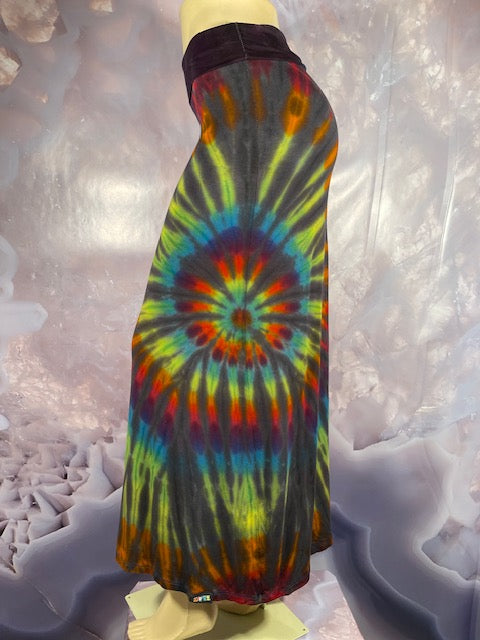
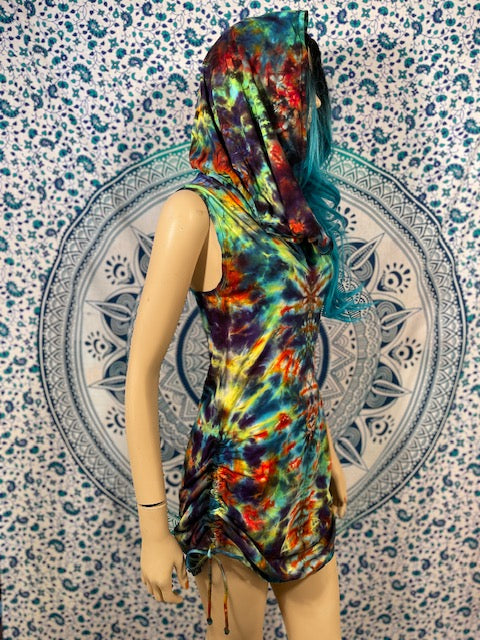
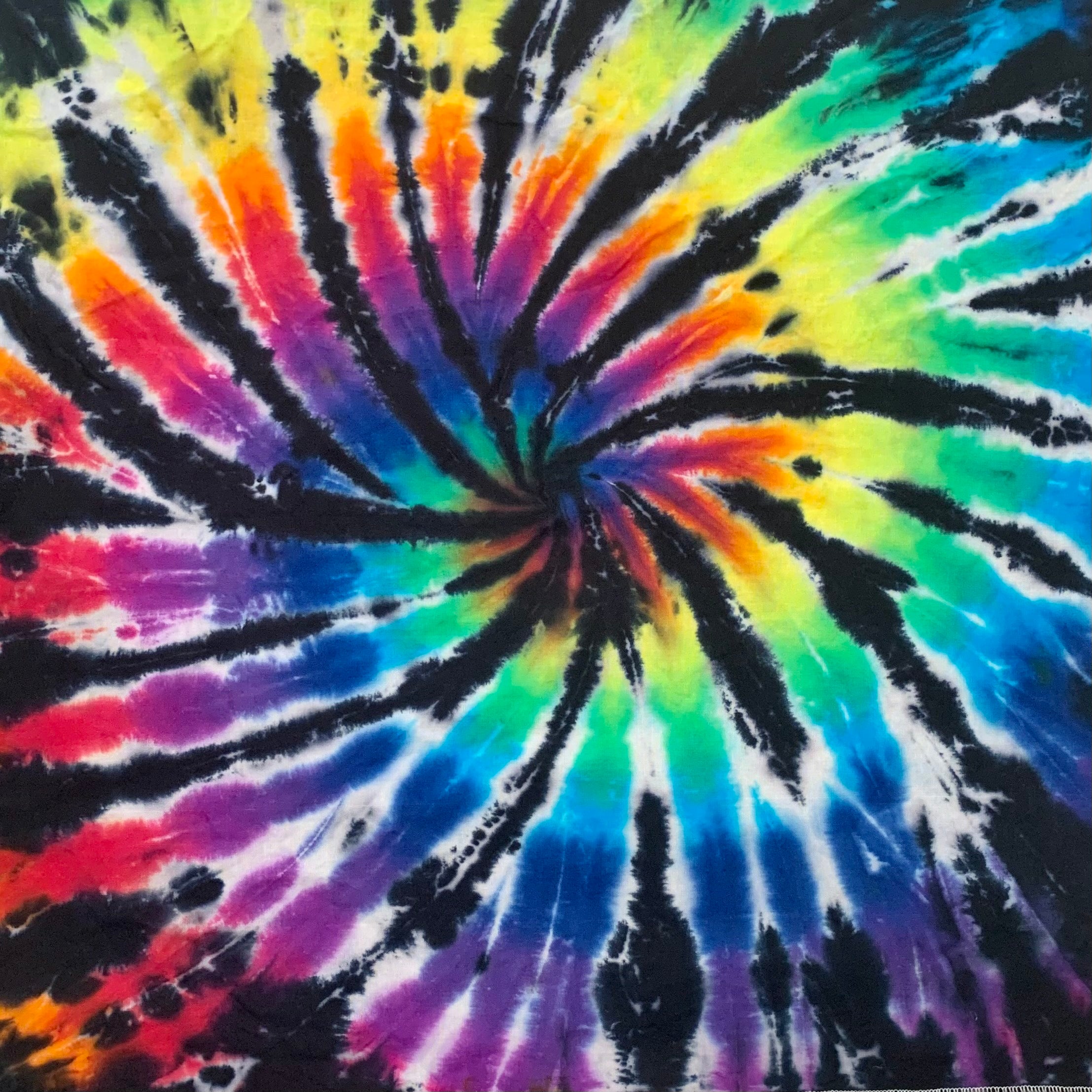
Real tie-dye is tied and dyed by hand. Somebody folded that fabric, bound it, mixed the dye, and made choices about where the color went. That's why no two pieces come out the same, and it's why real tie-dye has depth and movement that a printed pattern never has. Printed "tie-dye" is a photograph of tie-dye. Hold the two next to each other for three seconds and you'll never be fooled again.
A few tells:
- Look at the inside. Hand-dyed fabric is dyed all the way through. Printed fabric is white on the reverse.
- Look for repeats. If the shop has forty identical shirts on the rack, a machine made them.
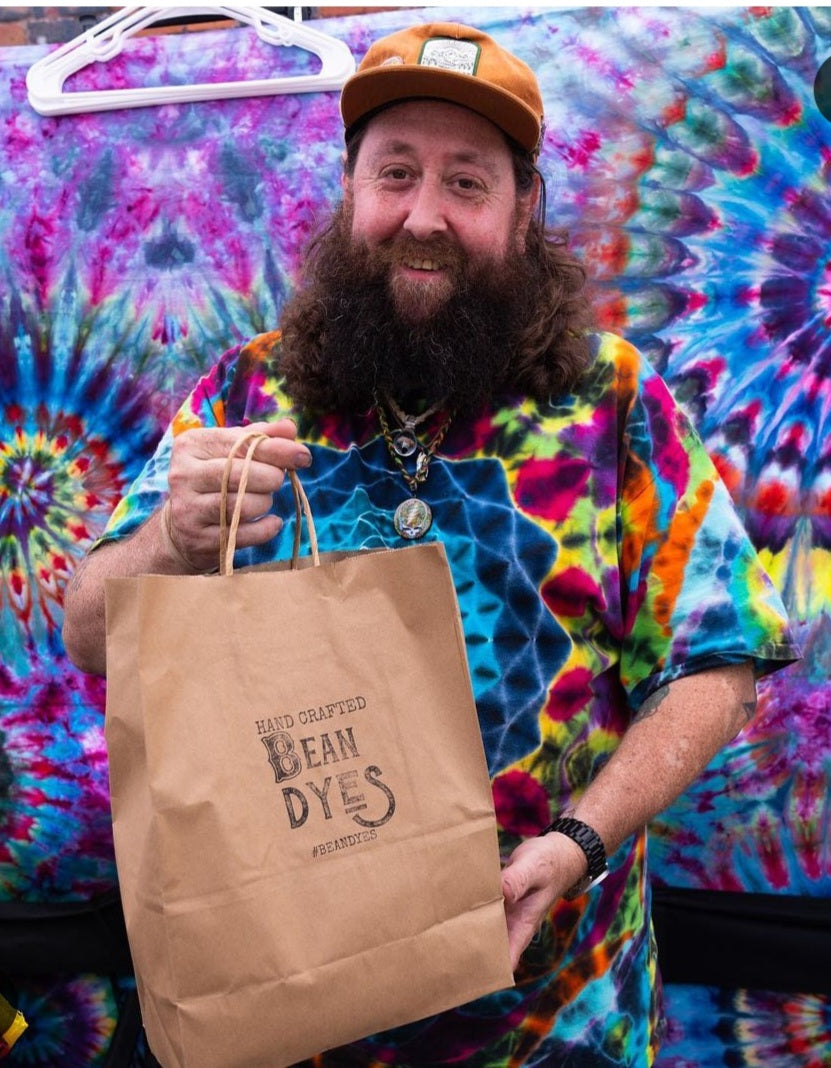
- Look for a name. Real pieces come from a specific artist, and a good shop will tell you who.
- Look at the seams and the edges. Hand-dyed garments bleed and blend at the folds. Prints stop at a hard line.
Why the Haight
This neighborhood is where hippie fashion actually happened. In 1967, tens of thousands of young people came to these few blocks for what became the Summer of Love, and what they wore — dyed, embroidered, patched, made by hand, often made that morning — became the look that the rest of the world has been copying ever since.
It was never a brand. It was people making their own clothes because the clothes they wanted didn't exist yet. That's still the best definition of hippie clothing we know.
Our shop has been on this corner since 1992 — here's the whole story →
Where to shop
We're at 1400 Haight Street, on the corner of Haight and Masonic, in the middle of it. Everything on our racks is made by hand by our collective of over 200 independent artists — dyers, sewers, beaders and painters scattered across the country and beyond, most of them working alone in a garage or a backyard.
We also have a second shop at Pier 39, at the back near the historic carousel, if you're down at the water instead. Hours and directions are here.
And if you're not in San Francisco, the whole thing ships. Our full hippie clothing collection is online.
What to actually buy
If you want one piece that does the job: a hand-dyed t-shirt. It's the foundation of the whole wardrobe and it goes with everything you already own.
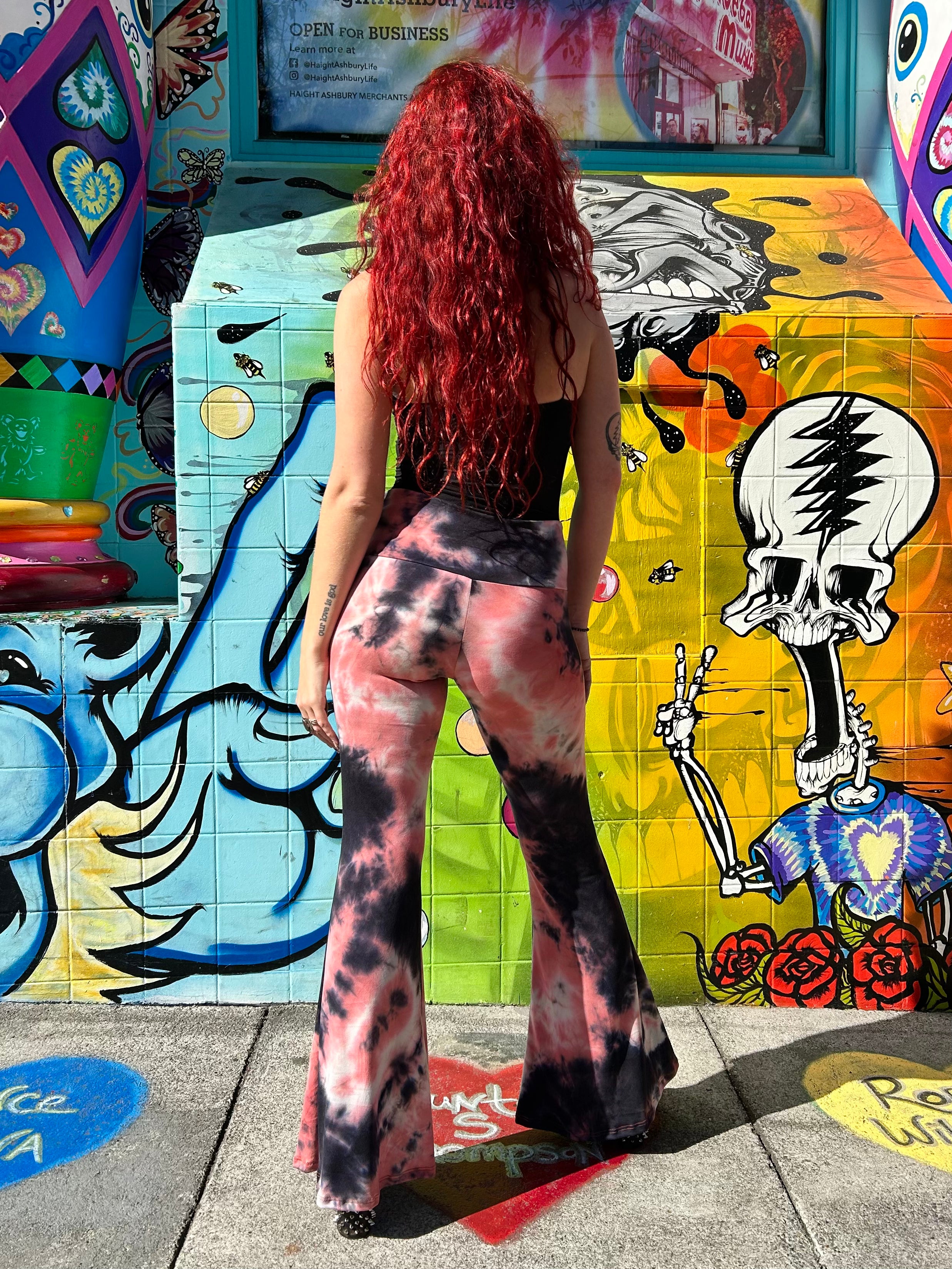
If you want to be recognizably dressed: bell bottoms. Nothing else reads as clearly. Ours come in slim and super bells, hand-dyed, in sizes that fit real bodies.
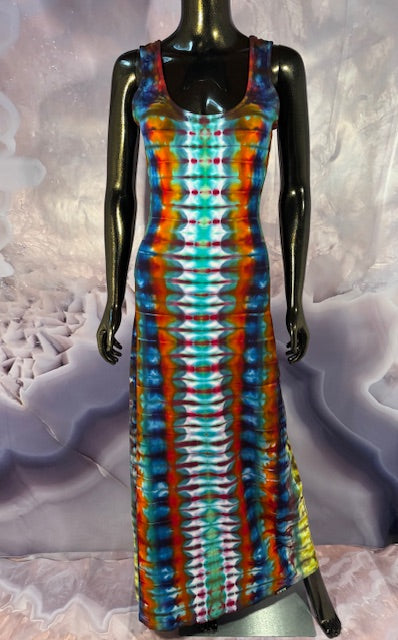
If you want to float: a long dress or a kimono. These are the pieces people stop strangers on the street about.
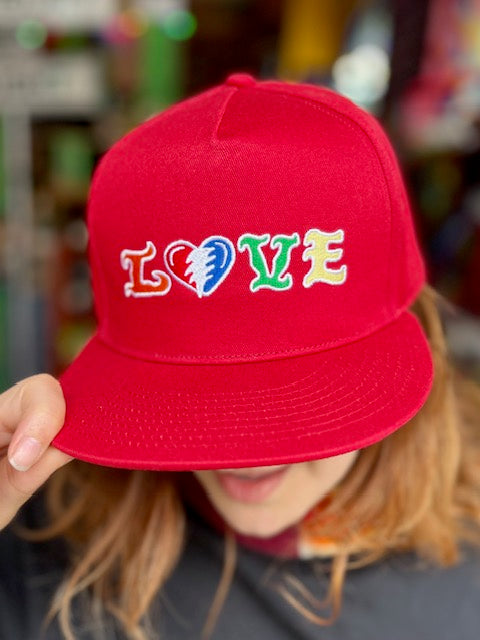
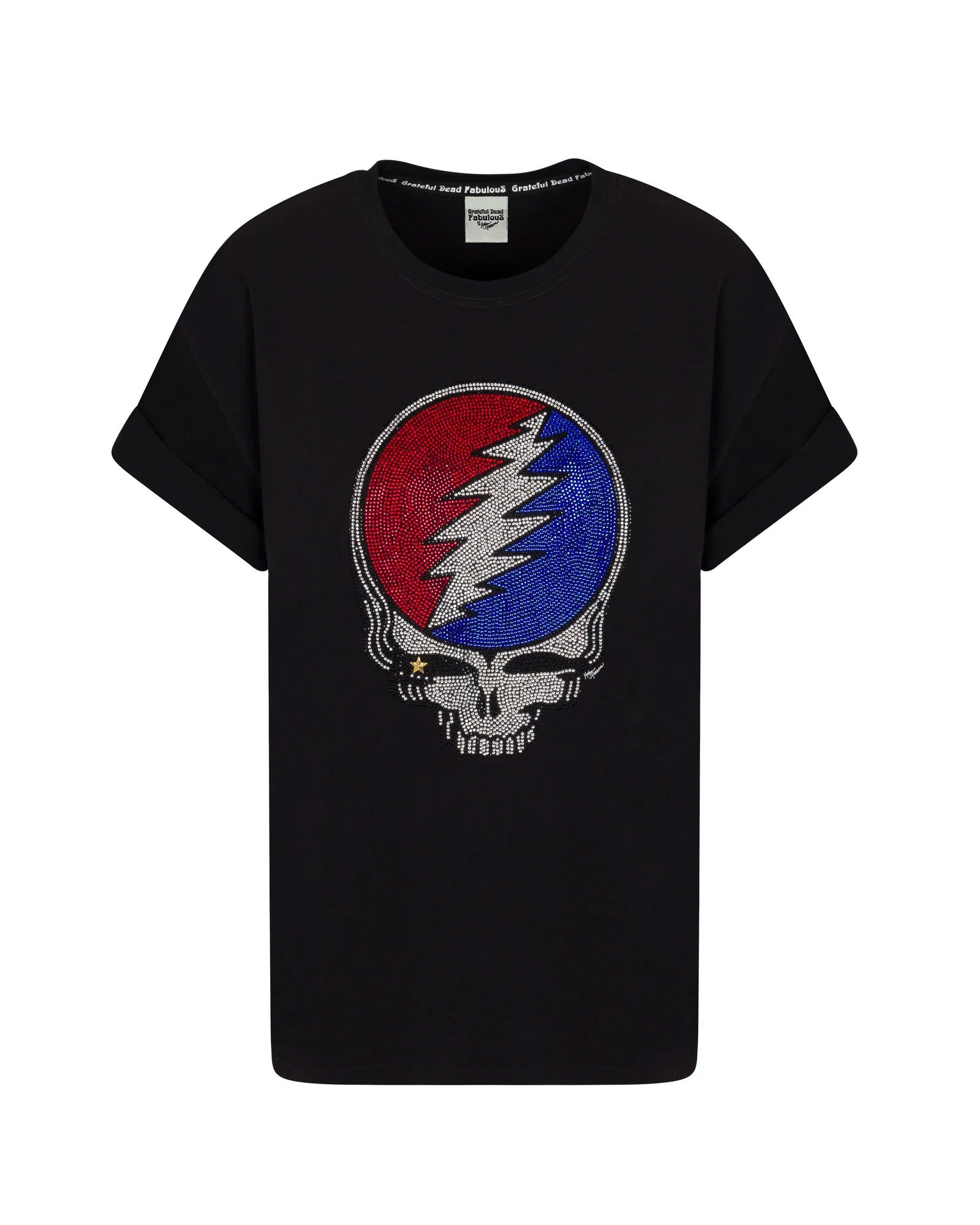
If you're a Deadhead: the Grateful Dead collection. Worth knowing that tie-dye and the Dead grew up together — Courtenay Pollock, whose work we carry, dyed the fabric that wrapped the speakers at their shows. That connection isn't marketing. It's the same thread.
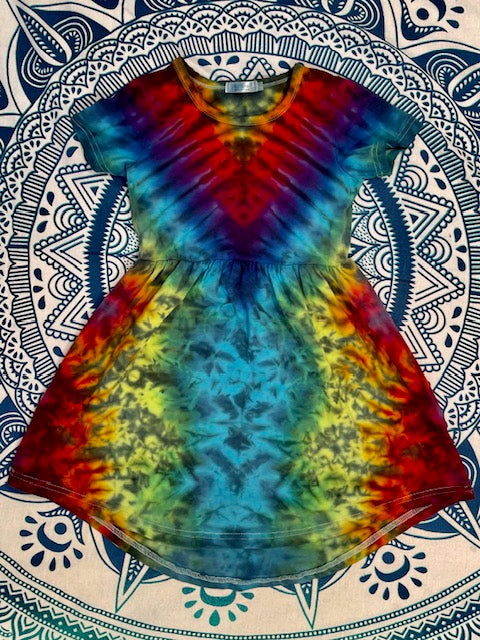
If you have kids: start them early. Baby onesies through kids' bell bottoms, same artists, same hands.
Couture hippie clothing — the part nobody talks about
Here's the thing that surprises people who walk in expecting a souvenir shop.
At the top end, this work is couture. Not couture-as-an-adjective — actually couture: single garments, made by hand, made once, that take weeks. A Philine gender-free tie-dye coat is a piece of clothing that will outlive you. Our headpieces are beaded and built one at a time by artists like Ira and Tatiana, and there is exactly one of each in existence. There are hand-dyed velvet coats in the shop that took longer to make than most people's wedding dresses.
People wear these to weddings. People collect them. People hand them down.
It's a strange gap in the world — everybody accepts that a hand-embroidered gown is couture, but hand-dyed work made by a master who's been at it for forty years gets filed under "festival wear." We disagree, fairly strongly. Our couture hippie collection is every piece over $300, and it's worth looking at even if you're not buying, the same way a museum is worth walking through.
One last thing
If you buy something handmade, you're paying an actual person for actual hours of their life. That's most of what separates real hippie clothing from the printed version — not the pattern, not the colors, and definitely not the peace signs.
Come see us on Haight Street. We'll tell you who made it.
Keep Exploring Love on Haight
About Love on Haight • Our History • About Sunshine Powers • Meet the Artists • Press & Media • Visit Us
Shop Tiedye • Hippie Clothing • Couture Hippie • Grateful Dead • Love on Haight Designs
